

7 environmental lessons from Pixar’s “Hoppers”
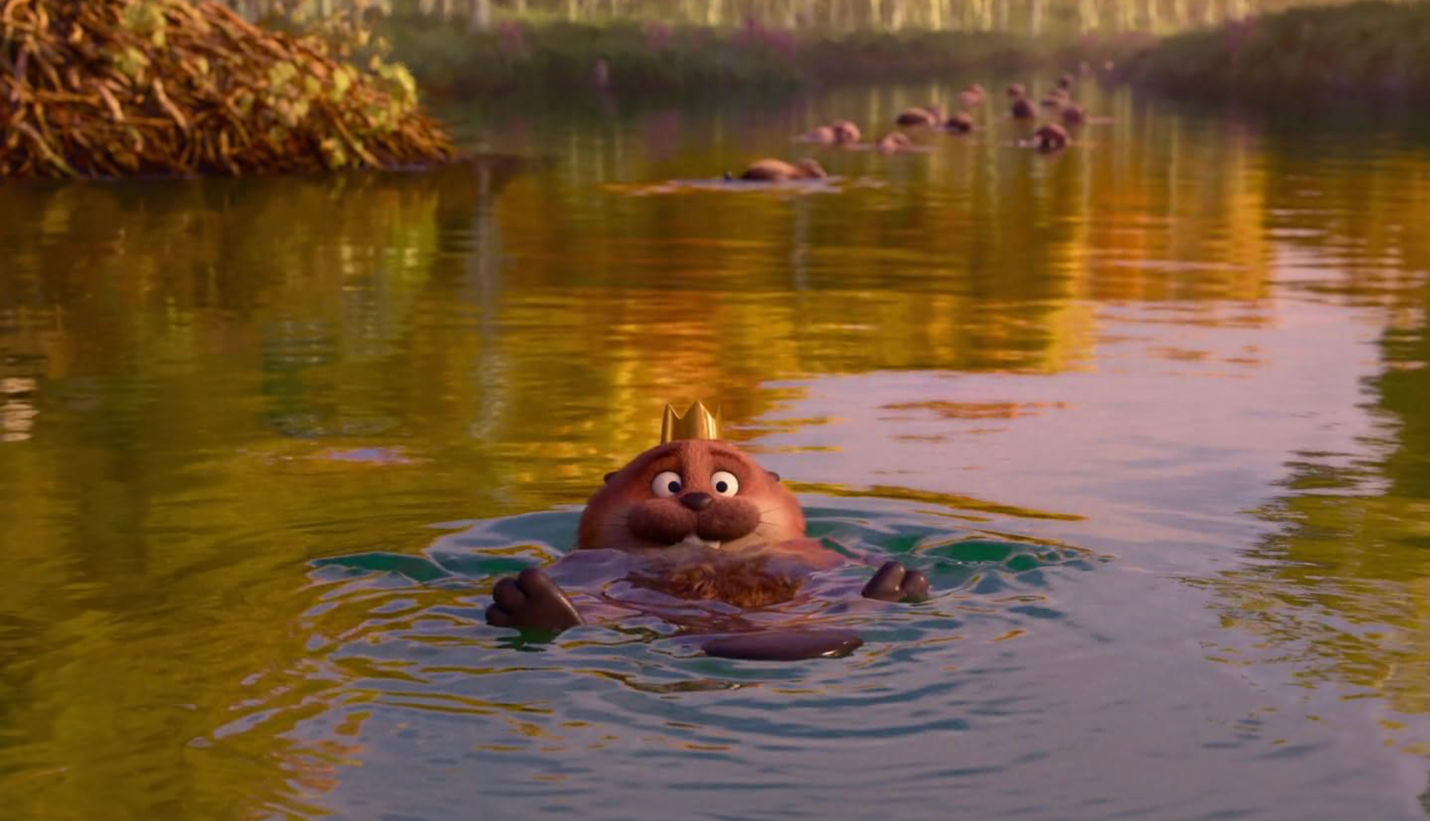
Photo by Pixar/PIXAR - © 2025 Disney/Pixar. All Rights Reserved.
Pixar is back with “Hoppers” (EMA Green Seal recipient), a hilarious yet heartfelt tale with a strong environmental message. In “Hoppers,” Mabel is a young Japanese American environmental activist who is processing the loss of her grandmother, who taught her to appreciate and protect nature as a child. When the city mayor threatens to destroy local ecosystems with a highway project, Mabel rushes to protect her grandmother’s beloved glade. She discovers a secret lab where researchers have developed a technology called "Hoppers” which transfers human consciousness into lifelike robotic animals.
Here are seven lessons we can learn from Pixar’s “Hoppers”:
Spending time in nature has mental health benefits.
In “Hoppers,” Mabel learns from a young age to regulate her emotions by immersing herself in nature. At the glade near her grandmother’s house, her grandmother teaches her to sit still, breathe, and notice the beautiful flora and fauna around her. Science shows that exposure to nature has various benefits for mental health, including improved attention span, mood, and self-regulation.
Protecting the environment together is a great way to deepen your relationships.
Mabel’s childhood is shaped by her connection to animals, nature, and her grandmother. Spending time in nature is Mabel and her grandmother’s favorite pastime, whether it be sitting together by the glade or picking up litter. Studies have shown that spending time in nature tends to increase our generosity, cooperation, and sense of social connection.
Being an active citizen is an important form of environmental activism.
As a college student, Mabel becomes an active citizen and unwavering environmental activist. She protests the harmful highway project that threatens to destroy her grandmother’s glade, and when that doesn’t work, she goes door-knocking with a petition to protect it. Through Mabel’s conversations with Mayor Jerry, the politician’s decisions are driven by public opinion and votes. Whether it be voting, protesting, or signing petitions, “Hoppers” shows that protecting the Earth requires us to be active citizens and hold our politicians accountable.
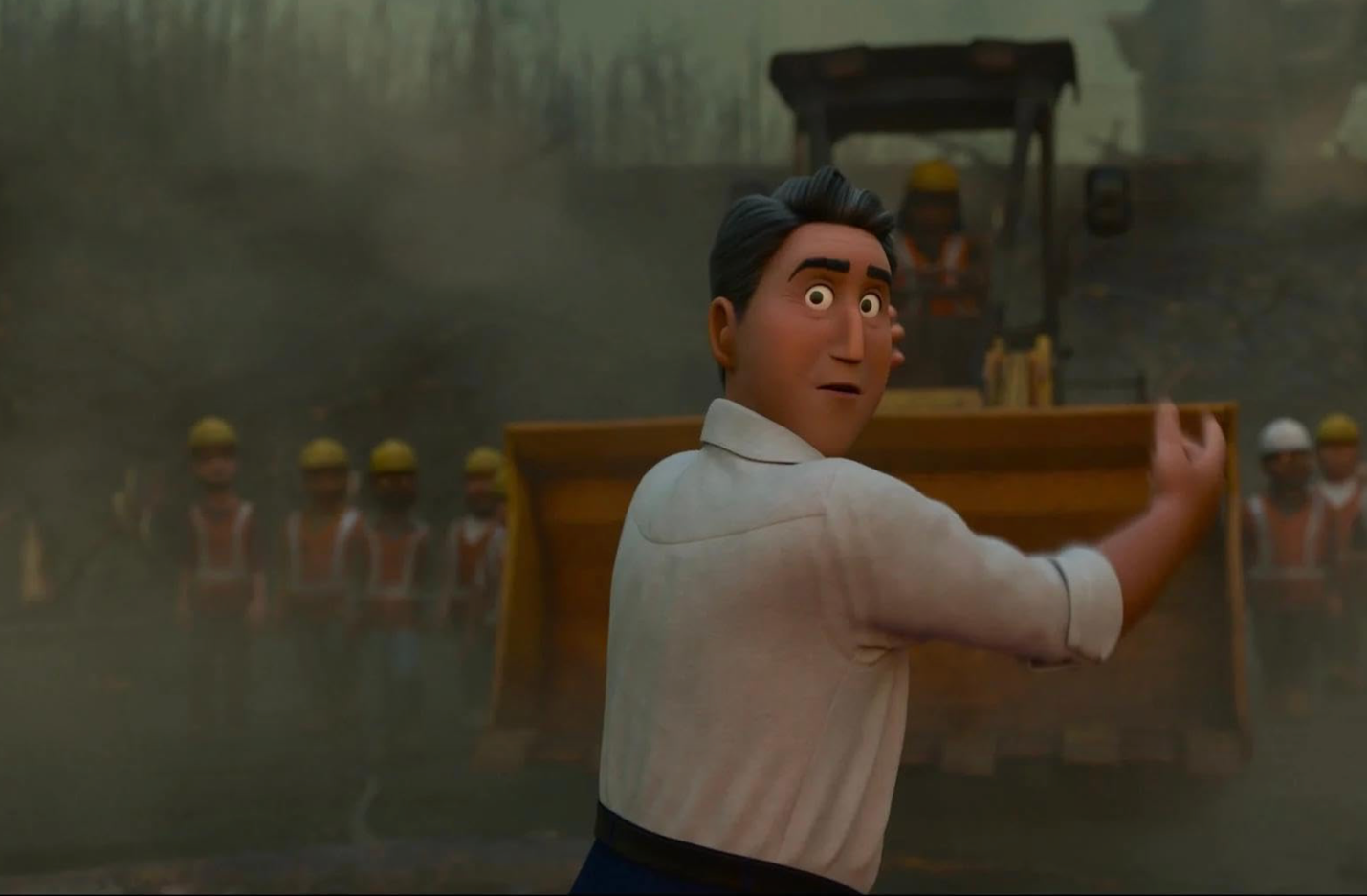
Photo by Pixar/PIXAR - © 2025 Disney/Pixar. All Rights Reserved.
Keystone species must be protected for an ecosystem to thrive.
In “Hoppers,” Mabel learns from Dr. Sam that beavers are a keystone species that is required for the glade ecosystem to thrive. Beavers are known as “ecosystem engineers,” with their dams creating wetland ecosystems for other species, from birds and fish to mammals and amphibians. Areas with beaver activity are shown to have cleaner air and be more flood- and wildfire-resilient. As shown in the film, beaver habitats are incredibly important as they can protect entire ecosystems.
When we attack nature, nature defends itself.
When humans interfere in the animal world, animals defend themselves. In “Hoppers,” the animal council gathers to discuss how to tackle the highway problem and concludes that they must “squish” Mayor Jerry, recognizing that the loss of one habitat could lead to destructive human activity in all other animal habitats. While there may not be an actual animal council, it’s important to recognize that when animals attack humans or “invade” human spaces, it’s often a defensive reaction to humans taking over territory that was once an animal’s home.
Green jobs are the future.
After graduating, Mabel lands a research job with Dr. Sam to continue studying animal behavior, driven by her passion for the environment and her desire to work with others who care. As the climate crisis intensifies, it is more important than ever to develop a green economy that creates green jobs to help us maintain a sustainable planet.
Humans and animals are in this together.
As Mabel learns from her beaver friend, King George: “animal homes, human homes: they're all just one big place.” When a fire threatens to devastate both the glade and the nearby city, it shows just how interconnected the animal and human worlds are. Harming the environment doesn’t just harm animals; it also harms humans through extreme heat, floods, famine, disease, and more. When the planet is in crisis, animals and humans both play an important role and must work together to protect it.
Support environmental storytelling in media! Check out our list of past EMA Award winners.
Katy Ho (she/her) is a Cantonese Canadian writer, activist, and daughter of refugees who explores the intersections of gender, climate, and pop culture through her work. She is the founder of BAD ASIAN, a community that is building the discourse around Asian feminism. When she’s not writing about feminism and climate justice, you can find her hosting book club meetings, visiting her local thrift store, and checking out plant-based restaurants.