

Nature as a Source for Art and Wellness: A Conversation with Alex Kaufmann
Guess what? Anyone can have a connection to nature. You don’t have to be a scientist, activist, or even an environmentalist. At EMA, we love highlighting people who are inspired and guided by nature in different ways. Today, we are sharing the story of Alex Kaufmann, an inspiring figure who uses art and wellness to get more people out in nature.
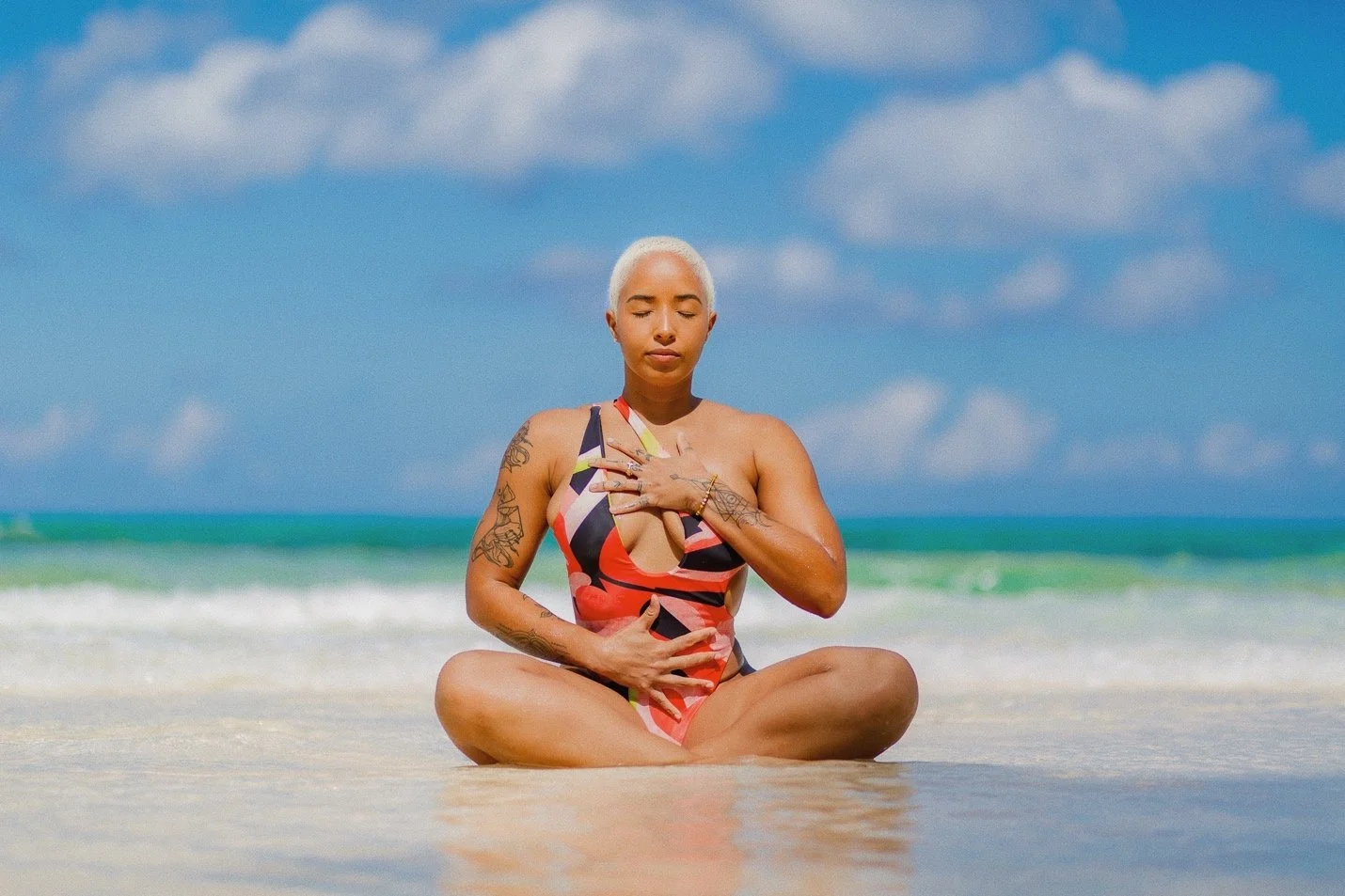
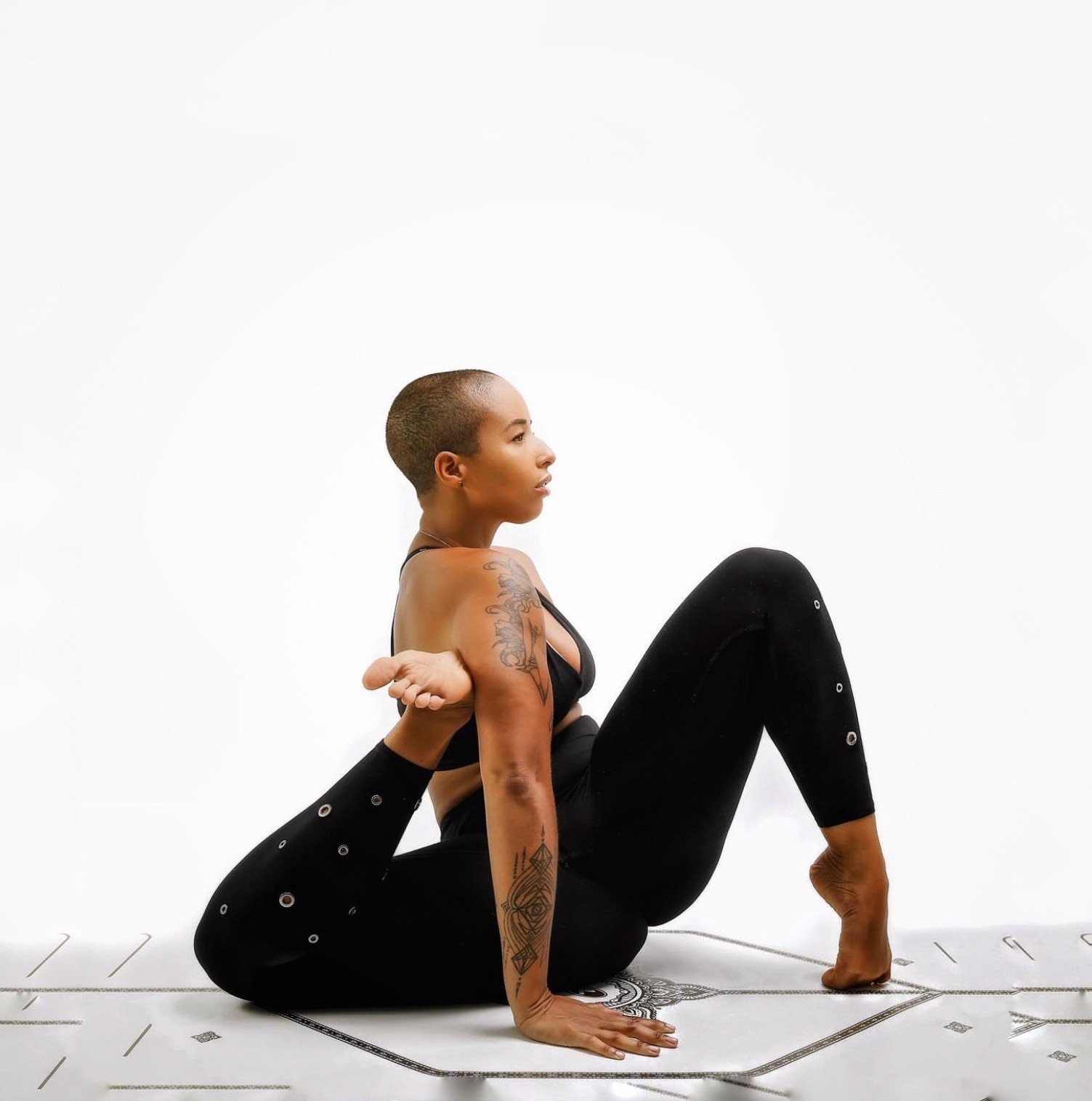
Alex is a lifelong student of yoga, wellness, and embodied living — someone who has moved through many traditions to understand the language of the body and the quiet truths it reveals. She has explored Power, Baptiste, Hot, Restorative, Rocket, and Vinyasa Flow, allowing each lineage to shape her approach to yoga. Her personal practice is grounded in Ashtanga, a rhythm that supports her discipline and devotion, while her teaching draws from all the paths she has walked.
With an Instagram community of over half a million people, Alex has cultivated a global brand rooted in presence, exploration, and meaningful connection. She travels the world teaching classes and workshops, and her sought-after retreats welcome students from across the globe to luxury destinations in Greece, Kenya, St. Lucia, Jamaica, and beyond. Beyond the mat, Alex is deeply inspired by the natural world. Through her nature platform, Baharoots, she shares her passion for bird photography, conservation, and gardening, encouraging others to slow down, pay attention, and reconnect with the ecosystems that sustain us. Whether she’s photographing endemic birds, tending to her garden, or exploring wild landscapes, she believes that nature offers some of our greatest lessons in patience, resilience, and presence.
You are a person of many talents! Let’s start with yoga. How does your yoga practice intersect with the environment, and what lessons can people learn through yoga to become better stewards of the Earth?
For me, yoga has always been about building a secure relationship with and appreciation for the self and the world around us. The practice teaches you to pay attention and slow down enough to notice your breath, your habits (good, bad and ugly), and your impact on and off the mat. A lot of the principles of yoga naturally lend themselves to environmental stewardship. Concepts like non-harming (ahimsa), contentment (santosha), and taking only what we need (aparigraha) encourage us to move through the world a little more thoughtfully. Also, the more time I spend practicing outdoors, whether it be physical practice, meditation, or breathwork, or leading retreats in beautiful places, the more I’m reminded that nature isn’t something separate from us that exists purely for our enjoyment. We’re a part of it. And I think when people begin to feel that connection, protecting it becomes less of an obligation and more of an instinct.
You’re also a talented photographer. You observe life “through wings and roots.” What does that mean, and how does it inspire your photography?
Through “wings and roots” is just my way of describing the things that keep pulling me outside and asking me to pay attention. The wings are the birds: amazing creatures that are very easily forgotten and mistreated, their tiny yet intriguing behaviors most people walk past without noticing, and the reminder that entire worlds are unfolding around us all the time. The roots are everything that keeps us grounded: plants, ecosystems, food systems, the land beneath our feet, and the quiet interconnectedness of it all. I experience this through my little backyard farm, which consists of chickens, ducks, goats, and a small garden. They come together to form a union of gratitude, and I’m really just happy to be a part of it all. Photography has taught me patience more than anything else. You can’t rush a bird into landing where you want it or force nature to perform for you. You learn to observe first and shoot second. I think that’s a lesson that extends far beyond photography, and that’s one of many I’ve learned along this path.
A lot of your incredible social content is outdoors. Do you have a favorite spot in nature?
This feels almost impossible to answer as a Bahamian because there are so many places that feel special to me for different reasons. But if I had to choose, my favorite places in nature are the beaches of The Bahamas, and island-specific, it would be Andros (the largest island in The Bahamas and where part of my family is from). Naturally, the beach feels like home to me, because it is, haha. The ocean has always been where I go to reset and reconnect—whether it’s lounging about, meditating or practicing yoga. And it’s an important part of our culture with its healing and transformative properties. On the other hand, the bush/pine forest in Andros offers a different kind of peace. It somehow makes you feel completely alone but deeply supported at the same time. Even in solitude, you’re surrounded by life and reminded that you’re part of something bigger than yourself. Both places have taught me the value of slowing down and paying attention.
At EMA, we champion media that includes environmental messaging. Do you have a favorite documentary, movie, or TV show that inspired your environmentalism?
For me, the inspiration for my environmentalism came more from the people around me and from growing up in a country that experiences the realities of climate change and environmental degradation firsthand. Living on an island changes your relationship with the environment. The health of our waters, our reefs, and our land is woven into our culture, our livelihoods, and our future. I’ve also grown up experiencing the seriousness of hurricane season in a very real way, and I’ve watched that reality shift within my own lifetime alone. Storms feel stronger, seasons feel longer, and what once felt rare is becoming increasingly common. When you live in a place like The Bahamas, climate change stops being a distant concept and becomes something you prepare for, recover from, and live alongside. Experiencing and witnessing these impacts has made me deeply aware of the importance of protecting these places, not just for ourselves but for future generations. There is something incredibly important about preserving our country in a way that honors the people who came before us and the relationship they had with the land and sea. I like to encourage people to think more about stewardship rather than ownership. These places were never really ours to keep; we’re simply the ones entrusted to care for them while they’re in our hands.
Finally, how can our audience follow and support your work?
You can find me sharing yoga, travel, retreats, and life in The Bahamas on Instagram at @bahayogi. For my photography, birding adventures, and backyard farming shenanigans, you can follow @baharoots. And honestly, one of the biggest ways people can support my work is by staying curious. Spend time outside. Learn the names of the birds in your backyard. Pay attention to the places and species that make your home special. Stay aware of what’s happening around you, and don’t be afraid to speak up for the protection and conservation of our planet, because people protect what they know and fight for what they love.
Follow our EMA blog for more inspiring stories of people speaking up for our planet.