


The EMA Green Seal is a recognition program honoring progress in sustainable production for movies, television (animated & live action) as well as studio campuses.
THE RECOGNITION PROCESS
The Program rating is determined on a scale of 200 points. A minimum threshold of 75 points must be obtained in order to receive EMA Green Seal recognition. We have also introduced the EMA Gold Seal for projects that score 125 points and more. All projects that reach this threshold receive our EMA Gold Seal label. The rating is based on a self-assessment by the production company on how well it complies with the Program criteria developed by EMA and the sustainability departments of major studio Board members.
A set visit to the primary production location(s) is not required for recognition to be confirmed. If possible, a visit allows us to see first-hand those practices put in place and to interview representatives of the production. If a set visit is not possible, additional documentations may be requested while reviewing the application. There is a $2000 fee per application to assist us in the costs of our review process.
To request and submit an EMA Green Seal Application, please contact
Aicha Bangoura at aicha@ema-online.org for further information.
EMA Green Seal Press


EMA Green Seal Recipients
View a list of past recipients
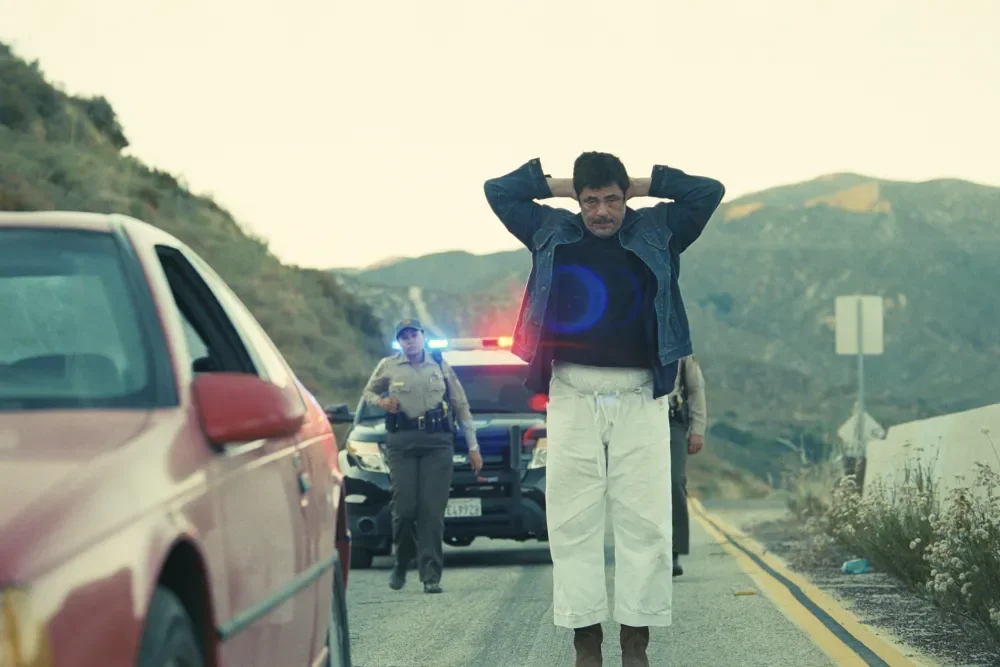
Films, television series, and events recognized by EMA Green Seal.

EMA recognizes Green Seal recipients at its annual EMA Awards
The EMA Green Seal for Students is a recognition program honoring progress in sustainable production for scripted student-produced content.

THE RECOGNITION PROCESS
The EMA Green Seal for Students rating is determined on a scale of 100 points. A minimum threshold of 50 points must be obtained in order to receive the recognition. The rating is based on a self-assessment by the student production team on how well they complied with the Seal criteria developed by EMA, the Green Film School Alliance, the Sustainable Production Alliance and PGA Green. GFSA member school applications may be initially reviewed by a production facility or staff member of the school and sent to EMA for recognition. Non-GFSA film student applications should be sent directly to EMA for review. Student seal applications are free.
EMA GREEN SEAL STUDENT RECIPIENTS
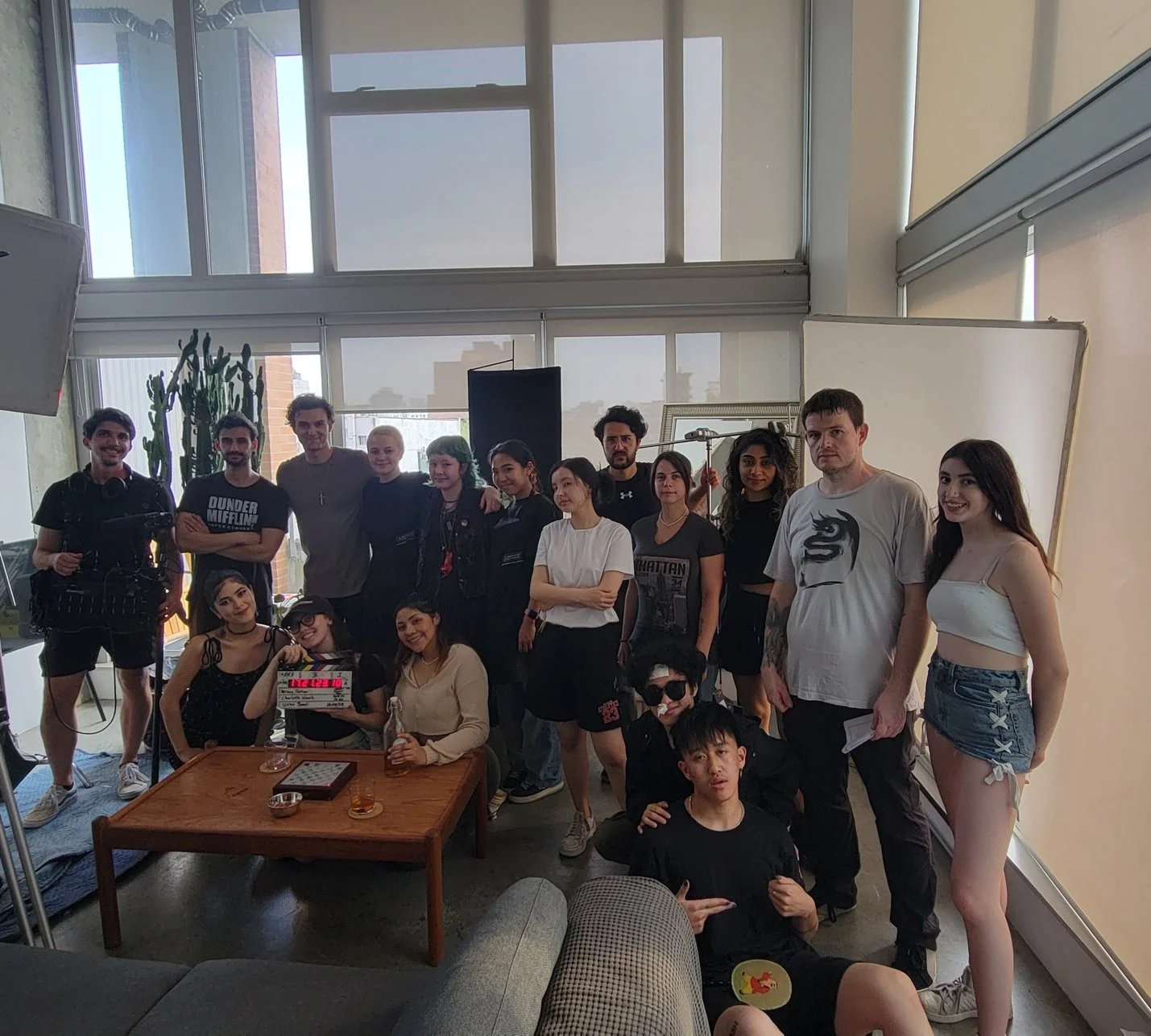
EMA Green Seal for Students Spotlight


RESOURCES
View a printable version of the EMA Green Event Guidelines.
Find additional resources at GreenProductionGuide.com.

Greening Plotlines & Characters
ENERGIZE ENVIRONMENTALISM WITH “ECO INSIDE”!
By blending environmental messaging into your characters’ lives, you can help raise awareness and incite action. Characters’ behaviors and actions, however subtle, can positively affect audiences. From significant plot points, such as the happy couple that opts for a “green” wedding, to the simplicity of a character driving a hybrid, the integration of “eco inside” is subliminal messaging at its most heartfelt.
How to put “eco inside” your plot: When it comes to green messaging, EMA knows what resonates. Listed below are suggestions for character actions with corresponding Prop Master Green Shopping Lists to help streamline the process.
AT HOME, CHARACTERS CAN:
Place items in recycling bins – newspaper, cans, plastics, glass, junk mail.
Carry groceries in a canvas bag. Carry fruits & vegetables in reusable produce bags.
Drive hybrids, alternative fuel vehicles, carpool, and/or take public transportation to and from their destinations.
Turn off lights when leaving the room.
Walk or ride a bike for errands, to school, or parties.
Donate old household items to charities, shelters, schools, etc.
Leave zero food waste at family dinners / any meals for characters. Cook / serve appropriate proportions, put leftovers in containers, and/or compost food scraps for minimal leftover food.
Buy food in bulk; put food into reusable storage containers.
Buy organic food and other products from farmers markets, health food stores, or local stores to reduce environmental footprint.
Grow herbs and food in a backyard garden plot and/or community garden.
Promote plant-based diets with dairy-free, vegan, and/or meatless (especially beefless) meals.
Have organic labeled products on the kitchen counter, pantry, shelves, and in the refrigerator.
Turn off the water when brushing teeth or scrubbing pots and pans.
Avoid leaving the water running in the shower when not in it.
Use compostable toothbrushes, hairbrushes, and other cosmetic tools made from bamboo instead of plastic.
Avoid plastic for bathroom soaps - bar soap packaged in recyclable paper is less wasteful.
Use non-toxic, eco-friendly, organic, and cruelty-free skincare and personal care items. Refillable, low waste items are preferred, and avoid single-use products.
Avoid single-use razor blades for shaving needs. Use razors with reusable handles and structure to only switch out the blades.
Allow hair to dry naturally and/or style hair without blow dryers and other tools that use power.
Avoid using single-use cotton swabs, cotton pads, and wipes for cosmetic use. Opt for reusable cloths for skincare routines.
Shop at farmers markets or local grocery stores that promote low waste and allow people to refill items in bulk sections.
Volunteer with environmental non-profits at beach clean-ups, tree plantings, removal of invasive plant species, food banks, etc.
Be involved in environmental activism by attending rallies, marches, protests related to climate change and environmental justice.
Put kids’ lunches in reusable containers and reusable lunch bags.
Wear T-shirts with green slogans and hang posters with environmental messages such as “Go Green” and “Save the Bees.”
Promote second-hand clothing to combat fast fashion (buying used, flea market, thrift shopping, garage sales, swapping with friends, etc). Avoid “shopping hauls”.
Donate clothes to thrift stores like Goodwill
For Holidays and Birthdays, characters can ask for homemade and/or low-waste gifts or donations to their favorite environmental organization. Wrap presents with newspaper, recycled paper, etc.
Use bamboo (a sustainable alternative to wood) bowls and cutting boards in the kitchen, on the table, and as decor.
Use reusable coffee filters, not disposable ones. No single-use coffee pods.
Own appliances with energy star labeling.
Show off the following eco-labels when applicable: USDA organic, Rainforest Alliance Certified, Fair Trade Certified, Certified Human and Green Seal.
Use solar energy: smaller examples of solar-powered technology can include yard & patio lighting, or personal solar panels (it doesn’t have to be solar panels for the whole house).
Have laundry drying on a clothesline for scenes in the backyard.
Use chemical-free, non-toxic fertilizers for plants. We recommend Kellogg organic fertilizer.
Use plant-based cleaning products.
If the character is on their phone, engage with environmental activism content or social media accounts.
Celebrate or talk about Earth Day
AT SCHOOL, CHARACTERS CAN:
Avoid using paper, plastic, and styrofoam in cafeterias and use glasses, plates, and silverware instead.
Carry their reusable water bottle instead of plastic water bottles.
Bike or walk to school, carpool with friends, or take public transportation.
Encourage plant-based eating at lunch.
Bring snacks that do not require packaging (an apple) or use reusable containers instead of plastic bags, instead of vending machines.
Start a school composting program.
Start a school garden. Make sure characters use chemical-free, non-toxic fertilizers, such as Kellogg organic fertilizer.
Go on environmentally-friendly field trips, such as beach cleanups or hikes.
Utilize recycling bins for white paper, mixed paper/junk mail, magazines, newspapers, bottles, and cans.
Throw litter away in garbage cans.
Lead an environmental club.
Encourage the school board or county to implement solar panels in schools.
Be surrounded by posters, signs, and bumper stickers that promote environmental organization messaging on classroom/hallway walls, backpacks, bikes, and cars.
Take classes or engage with subject material related to environmental science or environmental justice (for example, learn about Traditional Ecological Knowledge)
PROP MASTER SHOPPING LIST FOR SCHOOLS & OFFICES:
Glasses, plates, and silverware: avoid paper, plastic, and styrofoam in cafeterias.
A blue or green recycling bin to be placed in the cafeteria, the courtyards, the kitchen, and/or the garage; the bin should have the recycle symbol clearly visible, with such words as cans, glass, plastic, newspaper, or junk mail.
A green composting bin to be placed in the cafeteria or dining halls; the bin should be clearly labeled for compost.
Plant-based cleaners
Juice bar and healthy, fresh food options/restaurants versus snack/candy shop/vending machines on campus.
Self-serve buffet-style food for cafeteria lunches instead of individually-packaged meals.
Public bus stops/shuttles on or near campus or the workspace. Utilize electric buses if possible.
Bikes or a bike rack near building entrances.
Alternative fuel vehicles: employ fuel-efficient, electric, or hybrid cars, that characters carpool in
Organic, fair trade signage: in coffee shops, include obvious signage noting “organic coffee sold here” and/or “fair trade”.
Posters and bumper stickers with environmental messaging on classroom or office walls, hallway walls, and cars that reflect the company or the school’s values.
Reusable water bottles: at sporting events and in the classroom.
Personal reusable utensils (fork, spoon, knife, straw, etc.). Can be inside of a backpack ready to use, or can be keychains on backpacks.
Laptops: laptops use significantly less energy than desktops.
A green composting bin to be placed in the kitchen/garage; the bin should be clearly labeled for compost.
Reusable kitchenware and mugs: do not show disposable paper, plastic, or styrofoam in the break-room.
Reusable water bottles, containers, utensils, cups, and straws for lunches brought to work.
Organic, non-toxic fertilizers for office plants, like Kellogg organic fertilizer.
Signs: to remind office workers to turn off lights, computers, and office equipment when not in use; include energy conservation notifications if possible.
Donation bins: for old computer software to reallocate to schools, nonprofits, and/or children’s/women’s organizations.
Bowls of fruit, or low-waste, buffet-style, self-serve snack stations for employees to enjoy on breaks that encourage plant-based eating.
Hand crank paper shredders: have on desks in offices, in mailrooms, and in classrooms.
PROP MASTER SHOPPING LIST FOR HOMES:
A blue or green recycling bin in the kitchen/garage with the recycle symbol clearly visible.
Bar soap for bathrooms instead of plastic bottles, or reusable/refillable liquid soap bottles.
Plant-based dishwashing soap on the sink.
Plant-based laundry soap by the laundry basket.
Canvas shopping bags hanging from a hook in the kitchen or pantry.
Bamboo combs, toothbrushes, & other toiletries made from compostable material, instead of plastic.
Reusable “cotton” pads and make-up remover cloth. Reusable razors (interchangeable blade).
Bulk reusable food containers placed on countertops; perhaps labeled “organic” or “plant-based”.
Garden plot for backyard to grow own food, basil plants (and other herbs) in the kitchen for home-grown produce and air purification.
Kellogg organic fertilizer for home gardens and plants.
Reusable lunch bags and containers. Reusable straws.
Beeswax wrap/cloth wrap for kids’ sandwiches and other snacks.
Alternative fuel vehicles: employ fuel-efficient, electric, or hybrid cars, that characters carpool in.
Bikes parked in plain view in the garage, driveway, or propped against the house.
Push mower and hand-powered tools: located in garage vs. gas-powered or electric.
Donation bins: located in garage, living room, bedroom for old household items to charities, shelters, schools, etc.
Signs: reminding kids (& parents) to turn off lights, TV, games, and to not waste water when brushing teeth, showering, washing dishes, etc.
Renewable energy: Personal window solar panel hanging in windows of bedrooms or living rooms.
T-shirts with green messages (ex: “Go Green,” “Save the Bees”)
Posters from eco messages: hanging in the kitchen and other rooms.
Plants throughout the house: as décor and to reiterate air purification.
Energy Star labeled appliances: use when possible with Energy Star logo facing camera.
French press coffee maker (low waste), or permanent coffee filters: never use disposable filters if a character makes coffee. Do not have single-use coffee “pods”.
Compost bin with sealed lid in the kitchen or backyard.
Non-toxic, organic, low-waste cleaning products.
Mason jars and reusable containers for grains, beans, and other kitchen staples.
Bamboo bowls and cutting boards: use bamboo as an alternative to any wood item.
Eco Labels to place on products when applicable: USDA organic, Rainforest Alliance Certified, Fair Trade Certified, Certified Human and Green Seal.
Native flowers and shrubs: use those that are indigenous to the show’s fictional location.
Clothesline for backyard scenes to air dry clothes instead of machine drying them
AT THE OFFICE, CHARACTERS CAN:
Use digital technology to replace paper wherever possible, and use printers less.
Utilize recycling bins for white paper, mixed paper/junk mail, magazines, newspapers, bottles, and cans.
Carry a reusable water bottle instead of a plastic water bottle.
Eat with and drink from reusable kitchenware, mugs, and straws (no disposable paper, plastic, or styrofoam).
Eat plant-based or meatless lunches.
Donate clothes to thrift stores like Goodwill
Avoid plastic packaging for snacks (an apple instead of a bag of chips).
Bring food from home in reusable containers.
Compost food scraps in a communal compost in the staff kitchen.
Carpool to work in an alternative fuel vehicle, bike, or use public transportation.
Work in offices surrounded by plants and natural lighting from windows.
Turn off lights, computers, and equipment when not in use.
Petition the office to upgrade to energy-efficient equipment with EPA’s Energy Star label.
Go outdoors and encourage coworkers to go outdoors on breaks or company retreats.
Use chemical-free, non-toxic fertilizers for plants. We recommend Kellogg organic fertilizer.
Encourage employees to telecommute or work from home, if possible.
Use plant-based cleaners
Donate old computer software, hardware, and office furniture to schools, children’s organizations, and/or nonprofits.
Use laptops, not desktops.
Take the stairs, not the elevator.
* Note: for the following prop shopping lists, we recommend buying only what is needed for the set. Buying an excess amount of props defeats the purpose of showcasing environmentalism on screen. Please recycle, donate, or reuse items purchased for your project.
ETHICAL ENVIRONMENTAL STORYTELLING:
On eco-anxiety: “[there is a] great need for climate stories that are in packaging [that create] different pathways that have hope and optimism.” - EMA Activist Board Chair Wawa Gatheru (@wawa_gatheru) at EMA’s 2022 IMPACT Summit.
Climate doomism: “Climate Doomism is a popularized term that has risen on social media by predominantly media news outlets exclaiming that there is no hope left in the future for the planet. We can refer to climate doomism as the pathway to ecological destruction due to anthropogenic actions created by human society. However, climate doomism is often used as a scare tactic to disempower collectivized communities on their journey for environmental liberation. Most often not, climate doomism is never specific in addressing the role of white supremacy and how it has contributed to global environmental injustice.” (Queer Brown Vegan)
See more: What is climate doomism?
“Dismantling white supremacy is a form of environmentalism - we cannot separate the two.” - EMA Activist Board Member Isaias Hernandez (@queerbrownvegan) at EMA’s 2022 IMPACT Summit
Climate optimism
Two approaches to change: fear-based and positively incentivized change
See more: What is climate optimism?
Incorporate humor in narratives
Avoid falling into certain tropes like the victim narrative
Focus on solutions
“As long as we zero in on solutions, people can spur into action differently.” - EMA Activist Board Member Maya Penn (@mayasideas) at EMA 2022 IMPACT Summit when asked about different approaches to storytelling.
Below are pressing environmental issues that could be the focus of stories, or even just be mentioned to bring awareness to them.
Pressing environmental issues
Climate Change: Long-term shifts in temperatures and weather patterns. Since the 1800s, human activities have been the main driver of climate change, primarily due to burning fossil fuels like coal, oil, and gas. Burning fossil fuels produces greenhouse gasses that trap heat in the atmosphere and lead to increased temperatures (UN).
Ocean acidification: The long-term decrease in the ocean’s pH caused by carbon dioxide emissions into the atmosphere (NOAA). It is responsible for the dissolving of calcium carbonate organisms like phytoplankton.
Extreme Weather Events: occurrences of unusually severe weather or climate conditions that can cause devastating impacts on communities and ecosystems (USDA). Climate change increases the frequency and severity of these events like storms, heat waves, drought, wildfires, sea level rise, etc.
Air pollution: Ground-level ozone and particulate matter pollution in the air we breathe. Climate change has already begun to increase air pollution and have adverse effects on human health (CDC).
Water Pollution: pollution that affects all bodies of water including groundwater, surface water, ocean water, point source, nonpoint source, and transboundary. The most common sources of contamination are agricultural, sewage and wastewater, oil pollution, radioactive substances, and plastic pollution (NRDC).
Harmful Forever Chemicals: PFA’s are a class of thousands of man-made chemicals that have existed since the 1940’s. They never break down and are very harmful: they are now being found everywhere: in landfills, food, drinking water, wildlife, and even in animal bloodstreams – including humans (NPR).
Fracking: Hydraulic fracturing is the process of drilling and injecting fluid into the ground at a high pressure in order to fracture shale rocks to release natural gas inside. The problem with fracking is that it has the potential to contaminate groundwater, as well as add tons of pollutants to the air. Also, the United States Geological Survey (USGS) reports that earthquakes induced by human activity have been documented in the United States, Japan, and Canada.
See more: Dangers of Fracking
ALTERNATIVE SOURCES OF ENERGY
Renewable Energy
Solar Energy: Solar energy, radiant light and heat from the sun, has been harnessed by humans since ancient times using a range of ever-evolving technologies. Solar energy technologies can make considerable contributions to solving some of the most urgent problems the world now faces.
Nuclear Energy: Nuclear power is the use of sustained nuclear fission to generate heat and electricity. Nuclear power plants provide about 6% of the world’s energy and 13–14% of the world’s electricity with the U.S., France, and Japan together accounting for about 50% of nuclear generated electricity. In 2007, the IAEA reported there were 439 nuclear power reactors in operation in the world, operating in 31 countries. Also, more than 150 naval vessels using nuclear propulsion have been built.
There is an ongoing debate about the use of nuclear energy. Proponents, such as the World Nuclear Association and IAEA, contend that nuclear power is a sustainable energy source that reduces carbon emissions. Opponents, such as Greenpeace International and NIRS, believe that nuclear power poses many threats to people and the environment.
Geo-Thermal Energy: Energy that is generated and stored in the Earth. Thermal energy is the energy that determines the temperature of matter. Earth’s geothermal energy originates from the original formation of the planet (20%) and from radioactive decay of minerals (80%). Heat from the earth can be used as an energy source in many ways, from large and complex power stations to small and relatively simple pumping systems. This heat energy, known as geothermal energy, can be found almost anywhere—as far away as remote deep wells in Indonesia and as close as the dirt in our backyards. Many regions of the world are already tapping geothermal energy as an affordable and sustainable solution to reducing dependence on fossil fuels, and the global warming and public health risks that result from their use.
See more: Ask the Experts: Why hasn’t the US tapped into its geothermal power potential more?
ALTERNATIVE VEHICLES
Electric Cars: An electric car is an automobile that is propelled by one or more electric motors, using electrical energy stored in batteries or another energy storage device.
See more: Electric Cars: A Definitive Guide
Alternative Fuel Vehicles: vehicles that use alternative fuel derived from sources other than petroleum. This includes electric, hybrid, plug-in hybrid, and hydrogen fuel cell electric.
EV Range Anxiety: Range anxiety is the fear that a vehicle has insufficient range to reach its destination and would thus strand the vehicle’s occupants. The term, which is primarily used in reference to battery electric vehicles (BEVs), is considered to be one of the major barriers to large scale adoption of all-electric cars.
Biodiversity loss: Biodiversity refers to the variety of life on Earth. Biodiversity loss is the loss of species at greater rates than background extinction (UNEP).
Deforestation: The removal of forest to increase the surface of open land, mostly for agriculture or development, or to use the timber for construction or industrial purposes (UNEP).
See more: The State of the World’s Forests 2020
Unsustainable Agriculture
Animal agriculture & factory farming
Animal agriculture is responsible for 18 percent of greenhouse gas emissions (FAO)
Cows produce 150B gallons of methane per day and methane is 25x more potent than carbon dioxide (EPA)
Livestock occupies 1/3 of the all ice-free land on Earth (FAO)
Agriculture is responsible for 80-90% of US water consumption (USDA)
ALTERNATIVES
Plant-Based Diet: actively eating foods primarily from plants, rather than animal products (but not mutually exclusive). This includes fruits, vegetables, whole grains, beans, nuts, seeds, and oils.
See more: Plant-Based Diet
Vegan Diet: a diet that does not include animal products such as meat, cheese, fish, eggs, eggs, honey, and more.
See more: Vegan Diets
Permaculture: Short for permanent agriculture, permaculture is a concept that involves examining and following nature’s patterns. Permaculture advocates designing human systems that are based on natural ecosystems in order to be sustainable and self-sufficient. Permaculture can exist in everything from a basic garden to housing designs to city systems. A permaculture garden, if designed correctly (that is, mimicking nature) should be self-sustainable.
See more: Tropicalpermaculture.com breaks down what a permaculture garden would entail in easy to understand terms: Learn from nature. Nature has already developed a solution to every problem that you could possibly encounter in your garden.
Conservation, careful energy accounting, reducing waste, using “green” resources, recycling, but also a healthy lifestyle, pure and fresh food, clean water and a clean environment to live in… It’s all part of permaculture, either as part of the design or as a result of the design.
If food waste were a country, it would be the third largest greenhouse gas emitter, behind China and the U.S. (FAO 2013)
In the United States, over one-third of all available food goes uneaten through loss or waste
In the United States, food makes up most of the material placed in municipal landfills, where it emits methane (EPA). This means that reducing food waste is critical for reducing greenhouse gas emissions.
See more: Food waste research
Overfishing: when humans catch fish faster than stocks can replenish, and this leads to a significant decline in ocean wildlife populations (WWF). Commercial fishing vessels are largely responsible for this unsustainable practice.
Bycatch: the incidental capture of non-target species (WWF)
Plastic Pollution: a global problem that can “alter habitats and natural processes, reducing ecosystems’ ability to adapt to climate change, directly affecting millions of people’s livelihoods, food production capabilities and social well-being” (UNEP).
Single-use items such bags, both paper and plastic, represent a huge threat to the environment. This threat is not only related to the sheer volume of them ending up in landfill, but also to the resources needed to produce, transport and (occasionally) recycle them, and the emissions resulting from these processes. Single-use plastics are also well known for their interference in ecosystems and the part they play in flood events, where they clog pipes and drains.
See more: Should Plastic Bags Be Banned?
Harmful chemicals:
BPA: BPA stands for bisphenol A. BPA is an industrial chemical that has been used to make certain plastics and resins since the 1960s. Polycarbonate plastics are often used in containers that store food and beverages, such as water bottles, and baby bottles and cups.
Studies have shown that BPA may have a damaging effect on many forms of marine life (American Chemical Society in 2010).
Microplastics: plastics less than 5mm long (NOAA)
Plastic pollution in the ocean
Ghost gear: fishing gear that is lost and abandoned in the ocean, makes up 10% of marine debris and the majority of large plastics found in the ocean (Greenpeace).
Overconsumption: the excessive demand for and consumption of material items in the Global North, and one of the main causes of greenhouse gas emissions. Overpopulation in the Global South is often blamed.
ALTERNATIVE
Low-Waste / Zero-Waste Living: a movement to reduce the amount one consumes and consequently throws away. Low-waste living promotes using refillable and reusable alternatives to single-use plastics and other wasteful items.
Coined by scholar Dr. Robert Bullard, environmental justice refers to “the fair treatment and meaningful involvement of all people regardless of race, color, national origin, or income, with respect to the development, implementation, and enforcement of environmental laws, regulations, and policies” (EPA).