

Sustainable Studio Spotlight: LAIKA Studios
At LAIKA, our ongoing ambition is to match the studio’s world-class storytelling with innovative environmental stewardship, acting as a catalyst for sustainability advancement within the stop-motion animation industry. We strive to implement practical solutions that minimize waste and maximize resource efficiency to ensure studio accountability in reducing our carbon footprint. Through research, education, and action, we work to inspire stress-free, green habits among LAIKAns while also partnering with community organizations that share our ethic of environmental responsibility.
As a result of this commitment, LAIKA recently became the first stop-motion animation studio to earn the gold-level Green Seal for Studios from the Environmental Media Association (EMA).
Q&A with Carla Chen, Sustainability Lead at LAIKA, and Emily Bowen, Vice President of Production Operations at LAIKA
Q: What are some of the different ways in which LAIKA works to become more environmentally conscious as a studio?
Chen: We take a holistic, multi-pronged approach, including reducing energy and water consumption, supporting alternative modes of transportation, reusing and recycling materials, and focusing on employee and community engagement.
Energy & Emissions
In 2023, LAIKA joined the Strategic Energy Management (SEM) Program with Energy Trust of Oregon to help guide our energy conservation efforts and understand our energy consumption to improve efficiency. We’ve switched to LED lighting for stage lights and office spaces, upgraded the HVAC system, and added timers and sensors to spaces and equipment.
In 2024, LAIKA started measuring the baseline for Scope 1 and 2 emissions. Our annual emissions will help inform us of our environmental impact and areas we should prioritize to reduce our greenhouse emissions. LAIKA is currently setting up our Scope 3 boundaries and decarbonization plan.
Transportation
LAIKA has a robust transportation subsidy program to help encourage alternative transportation options. The programs include a carpool incentive; half-price public transit passes; 21 on-site EV chargers at subsidized rates; free bike tune-ups for employees once a year; and a bike borrowing program.
Material Waste
LAIKA identifies ways to reduce and reuse as much as possible. We’ve implemented practices such as a surplus raffle of obsolete furniture for employees, the “Scrap Shack” area for employees to reuse and repurpose materials for personal- or work-related projects, and a B.Y.O.M. (Bring Your Own Mug) initiative that eliminated single-use items for our on-site coffee shop, snacks, and most catering needs.
As a result of the ongoing B.Y.O.M. initiative, we estimate we avoided using 41,000 paper cups in 2025. We also eliminated plastic water bottles and disposable straws and digitized our communications.
LAIKA also partners with local non-profits to donate furniture and equipment that doesn’t fit our needs anymore. We created equipment lifecycle best practices to help identify materials that can still be reused, repurposed, donated, or recycled, as well as event guidelines to standardize meetings and gatherings at the studio.
In 2024, we executed a waste audit in partnership with DEQ and Washington County to help us identify opportunities to improve our waste collection and recycling process. When something can’t be reused, LAIKA provides a variety of recycling options on-site, such as mixed, gloves, wood, plastic film, disposable masks, metal, threads, polystyrene, and electronic waste recycling.
Water & Landscaping
LAIKA’s campus has native and drought-tolerant plants, a low-pressure water sprinkler system, a weather-based system for irrigation, and low-flow faucets and toilets.
The LAIKA Community Garden was launched in 2024 as an opportunity for LAIKAns to connect, learn, and share knowledge. The garden gives employees a chance to step away from their workspace, breathe fresh air, and build a sense of community. The garden was expanded in 2025 with additional garden beds and a star jasmine green wall.
Sustainable Building Materials
LAIKA’s free on-site coffee shop, Dripsters, was revamped late last year and now features a reclaimed wood wall and thrifted furniture.
In 2026, LAIKA Facilities started a pilot project with zero VOC paint for offices and other areas in the studio.
Q: What is the level of involvement from LAIKA employees in the studio’s sustainability measures?
Chen: Employee engagement is key to our success, both at the studio and when we’re out volunteering in the surrounding community.
LAIKA provides training for employees in topics related to Sustainability, such as water conservation, energy efficiency, transportation impacts, and how to reduce, reuse, and recycle.
LAIKA has a Sustainability Committee that helps support and engage the studio with sustainability programs, action items, and events.
The Committee organizes Lunch & Learns for employees, bringing local non-profits and sustainability-minded organizations to the studio to share knowledge. Organizations featured include Repair PDX, Portland Garment Factory, Energy Trust of Oregon, DEQ, Clean Water Services, and Waste-Free Advocates. LAIKA also supports employee-led initiatives such as Book Swap and Swap Meet events.
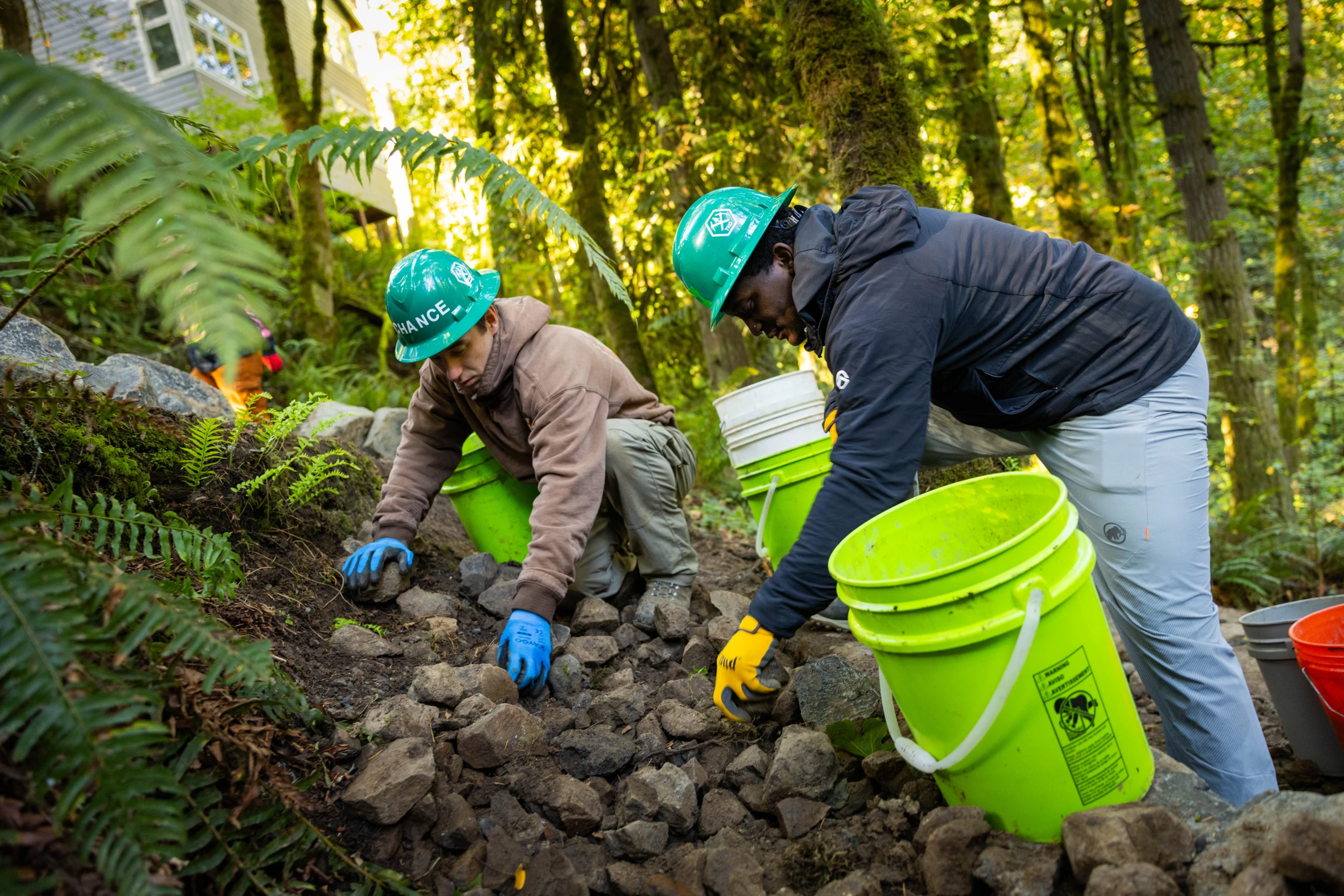
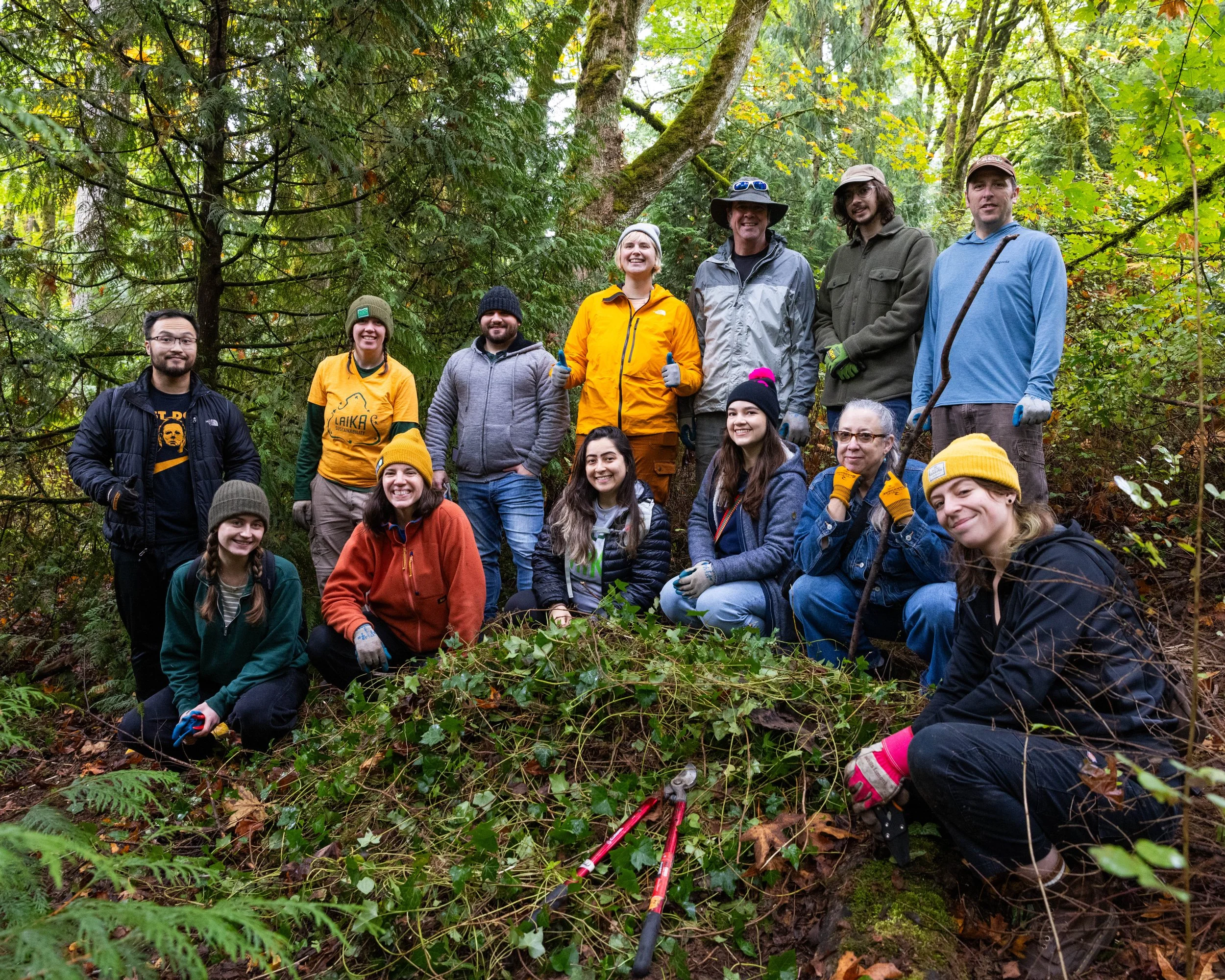
LAIKAns also engage with sustainability in the surrounding community. LAIKA has sponsored multiple tree planting events in recent years. We estimated that through our support of Friends of Trees, we’ve planted over 10,000 trees in the Portland area! LAIKAns also volunteer at the NAYA Family Center Community Garden, with Trailkeepers of Oregon for trail maintenance at the Bird Alliance, and with Portland Parks & Recreation and Forest Park Conservancy on multiple ivy-pulling events.
Q: Does a stop-motion animation studio such as LAIKA deal with different sustainability challenges than other methods of animation, such as CG?
Bowen: LAIKA is a unique combination of traditional fabrication and production methodologies and cutting-edge technologies. This creates a diverse set of challenges team-by-team, but a culture of active sustainability is ingrained in LAIKAns. We’re working to source more earth-friendly materials and to reduce waste and consumption while pursuing broader education of best practices with our team members. We’re focused on how we can structure and budget future productions to include more green initiatives everywhere from our lunchroom to our Puppets department to our VFX rendering.
Q: Why is it important to LAIKA to engage in sustainability practices?
Chen: Because we want to continue making beautiful, handcrafted stop-motion animation films while being good stewards of the environment. LAIKA has a very dedicated group of people who want to be the best at what they do, and sustainability is no different. LAIKA is committed to finding sustainable and innovative solutions that will help preserve our unique form of art, without neglecting or ignoring our environmental responsibility.
Bowen: LAIKA is a fantastic place to work for many reasons, and of all the places I’ve worked, it’s the one people consistently ask me about. They know we make beautiful movies, but they also know we work to combine the best parts of traditional arts with future technologies, and sustainability is part of that growth journey as a company. We want to do it for our families and our community, but we also want to show other people who look to us as a model that environmental stewardship is important and achievable without compromising the wonderful work we do.